
Why Romance, Why Now
Something is happening underneath women's reading lives that is bigger and older than books.

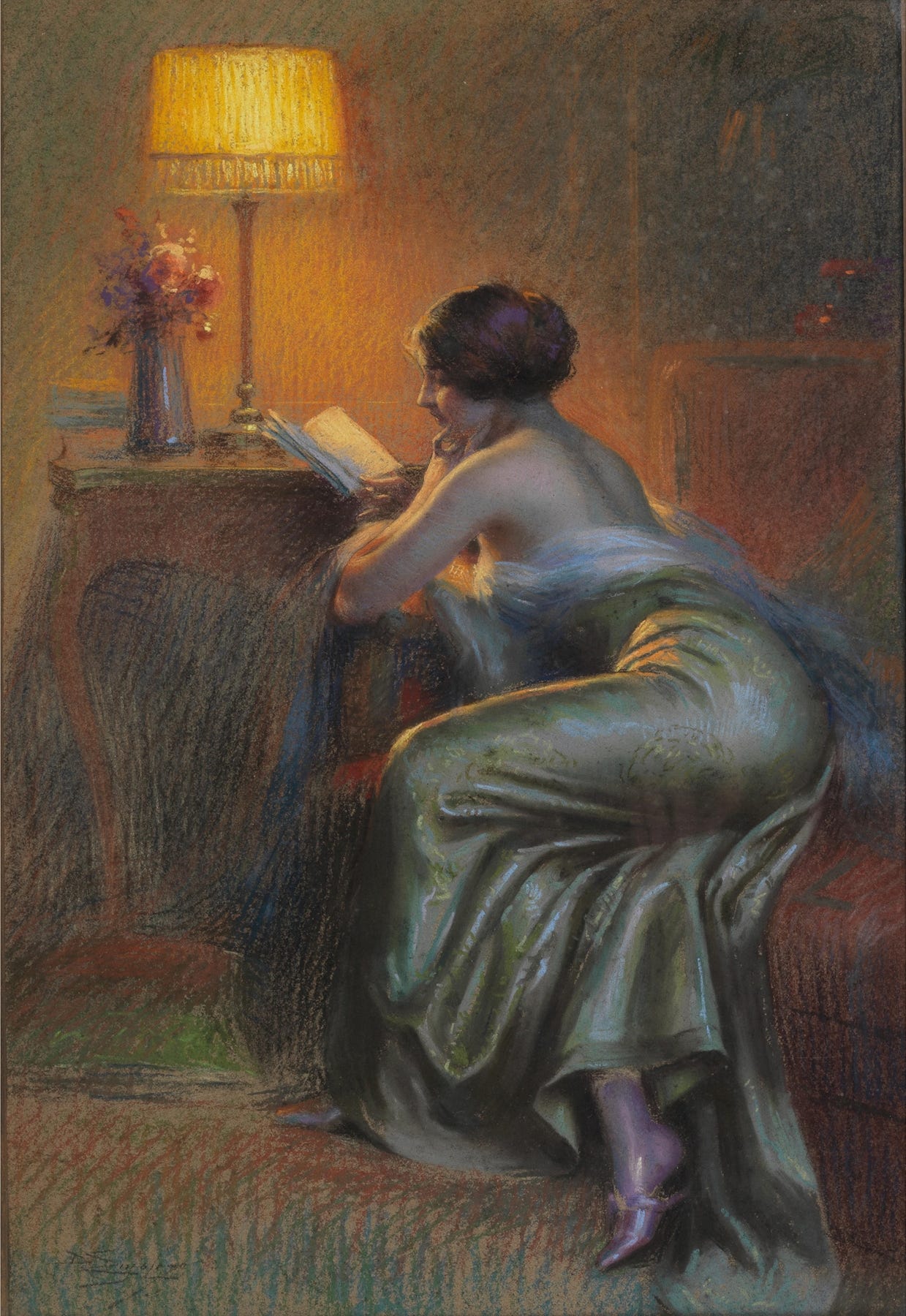
In my local bookstore book club last week, I listened to women talk about how they found romance.
Some were handed it young — a mother’s worn paperback, permission modeled before anyone told them to be ashamed of it. Some came to romance through a sideways door in the form of a friend or a bookstore display. And some arrived during the hardest passage of their lives. A parent’s health crisis. Their own diagnosis. A world crisis that burned every familiar thing to the ground.
They weren’t looking for romance. They were looking for something good, some joy, something that carried them away from the pain of right now to a world where transformation was not just guaranteed, but delivered. And they found it between the covers of romance novels.
In hearing those stories, I feel that it doesn’t matter which path brought you into the labyrinthine forest that is the romance genre. What matters is how many paths lead to the same center, and how that multiplicity isn’t mere coincidence. It’s the evidence of a pull so strong it finds you through any door available.
And right now, those doors are opening everywhere.
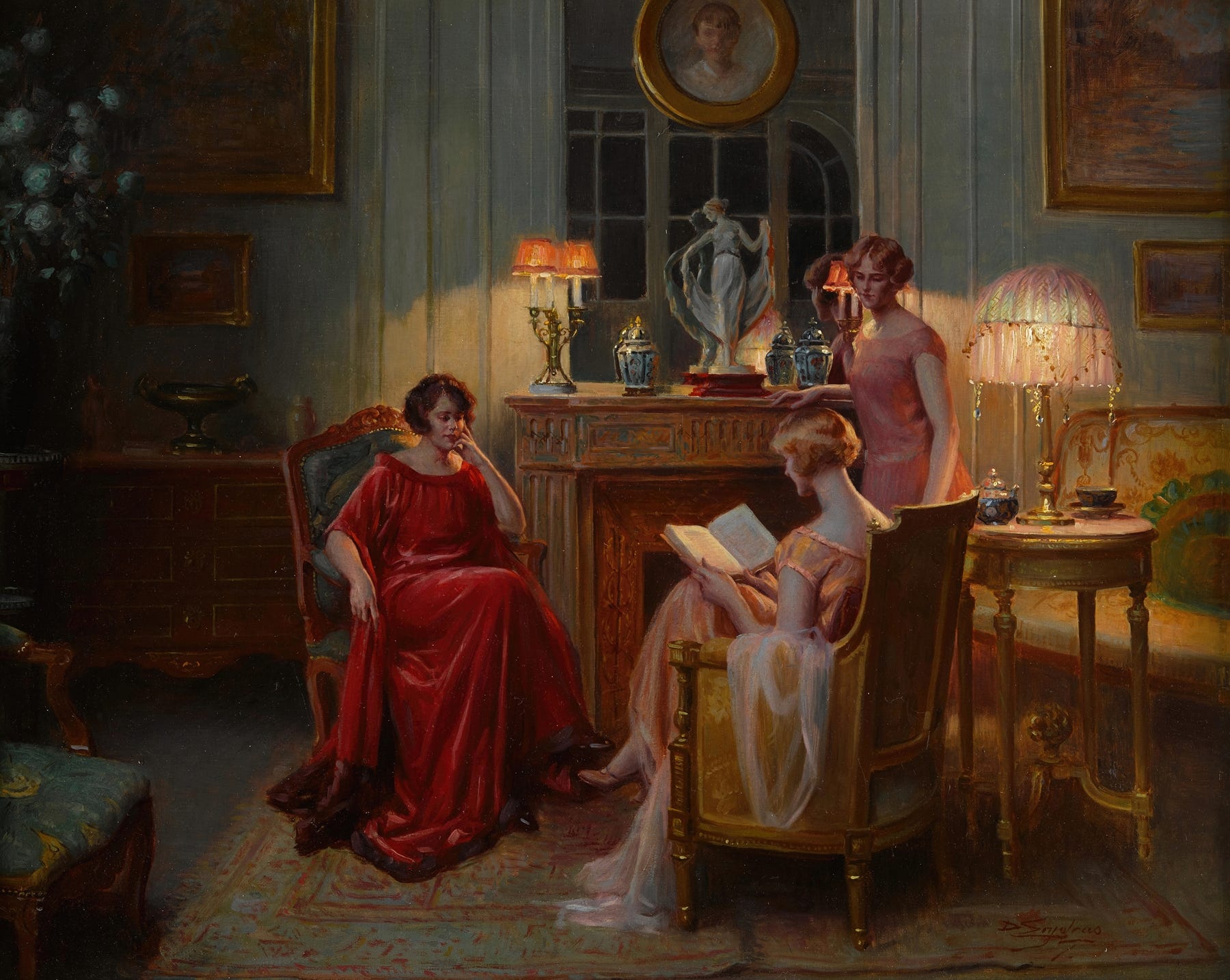
The Doors Are Opening Everywhere
Romance is the largest-selling fiction category in the United States. Fifty-one million print copies sold in the last twelve months.¹ Sales up 24% while other genres contract.² Nearly $1.5 billion in annual revenue.³ And that’s only the print data. Ebook sales are partially tracked, but Kindle Unlimited reads — where romance dominates, with 80% of its top-performing titles enrolled in the program⁴ — are not included in any public reporting. The actual volume of romance consumption is larger than any published number captures.
Indie bookstores dedicated entirely to romance are opening their doors. Book clubs centered on romance are multiplying. And in a recent article from the New York Times, journalists Ruth Maclean and Ismail Auwal share how in northern Nigeria, young Muslim women write serialized erotic novels under pen names and share them chapter by chapter in WhatsApp groups — free chapters to hook you, cliffhangers behind paywalls — because the authorities and their morality police have publicly burned romance novels in the past, leading these intrepid writers to take their stories to a different channel of distribution.⁵ Stories will always find a way.
These courageous women risk being reported to the morality police for the act of writing desire on their own terms. Some write queer stories. Others explore abuse. But all of them are doing it anyway, finding creative ways to both share their work and find income streams that help them and their families.
It doesn’t take a long jaunt through history to see how stories have never been successfully suppressed by any regime, any religion, or any cultural gatekeeping. You burn the books, they move to WhatsApp. You dismiss the genre, it outsells everything.
Because humans aren’t just storytellers — we’re storymakers. Story is how we process, how we digest, how we imagine what doesn’t exist yet into being.
Story doesn’t explain life. It creates it.
And the story women keep telling across cultures, across continents, across every wall placed in front of them, is the one where desire and genuine connection are possible.
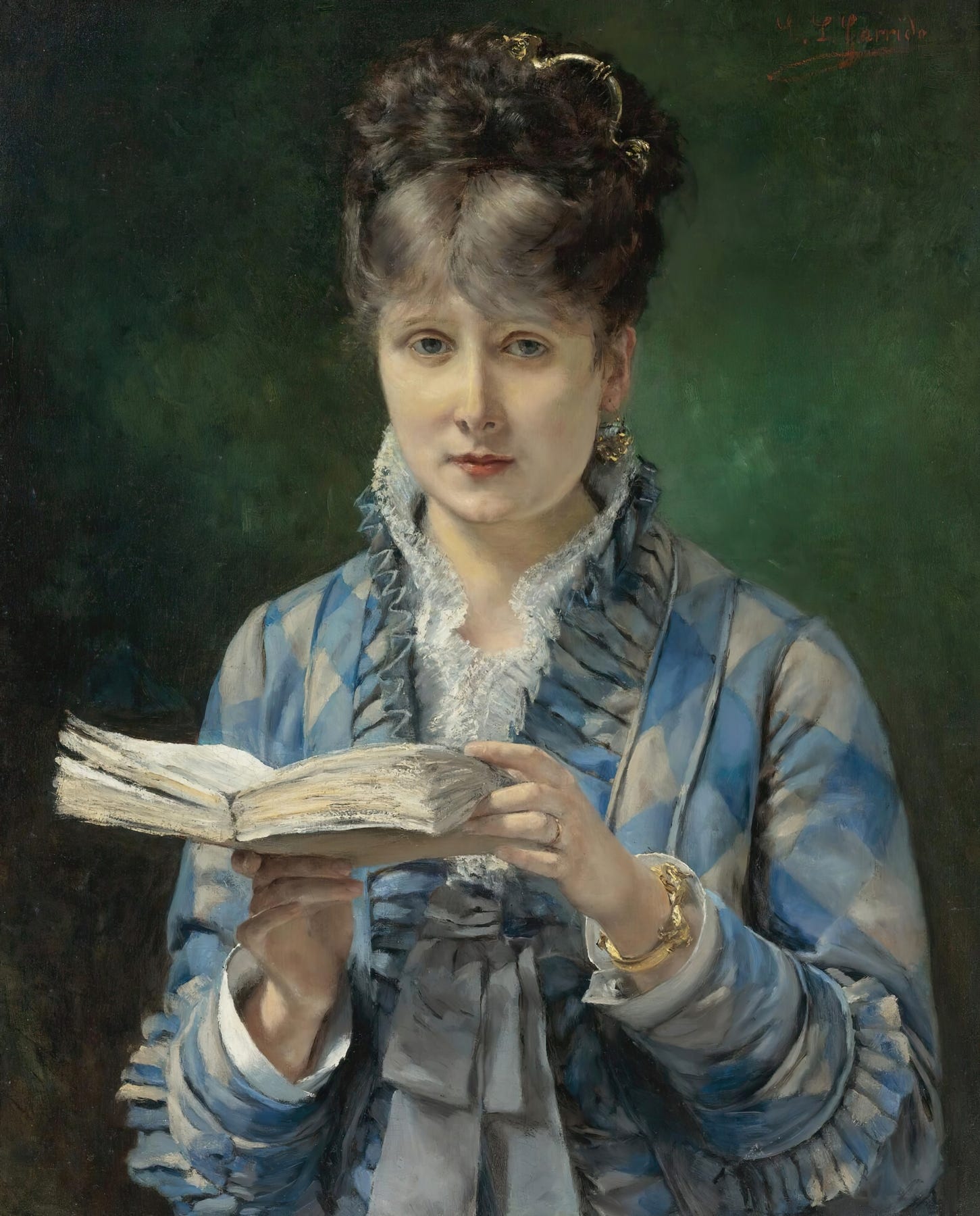
The Genre That Carries Everything and Gets Nothing
So here’s the paradox.
The genre that generates $1.5 billion annually, that accounts for nearly half of all mass-market paperback sales, that women are reaching for with increasing urgency across the globe — this genre is still dismissed as “fluffy,” as “trashy,” as “smut,” and as not real literature.
It’s infantilized. It’s been called “chick lit,” as if stories centering women’s inner lives need their own diminutive category. It’s gatekept: excluded from major literary prizes, rarely reviewed seriously. Romantasy, the current darling of the publishing world, has its own separate label because it’s dismissed as less rigorous than fantasy, which is largely written by men. Women are the majority purchasers of books in the UK, accounting for 59% of all book purchases and 65% of ebook sales.⁶ The genre they read most is the one the culture takes least seriously.
That’s not a gap in taste. It’s a gap in respect.
Does this land for you? I’d love to hear in the comments: when did you first notice the gap between what romance does for you and how the world talks about it?
Money tells a different story. Romance carries the publishing industry on its shoulders. It has for decades. And it carries it the way women carry invisible labor everywhere else: indispensably, without recognition, while being told that what they produce isn’t serious enough to be respected, or that it’s their spiritual or moral job to do. And all this while the publishing industry faces challenges to its very survival and depends on the available milk of the milking cow of romance to keep going.
Why does a culture keep minimizing the very thing it can’t function without?
There’s a pattern here that goes beyond publishing. Whatever holds real power gets rendered invisible, dismissed as not serious, not real, not worthy of respect, because recognizing its inherent power would upset the cart of who holds power in our culture, and the illusion is worth keeping at all costs. Even our collective survival.
This is what’s been done to women’s labor, their knowledge, their creative output through centuries. And romance is just one of many casualties in this fearful dismissal of women and their potential and creative power.
Because if the culture stopped long enough to examine what these stories actually do, if it took seriously the fact that the most consumed fiction on earth centers women’s desire, women’s wholeness, women’s power, it would have to ask why it perpetuates a system that wounds women, men, and our very planet. It would have to face its fear, expressed as hatred of women, and how this ancient spell of misogyny is gripped so tightly that its tendrils are invisible to both men and women, pulsating underneath the very heartbeat of our culture.
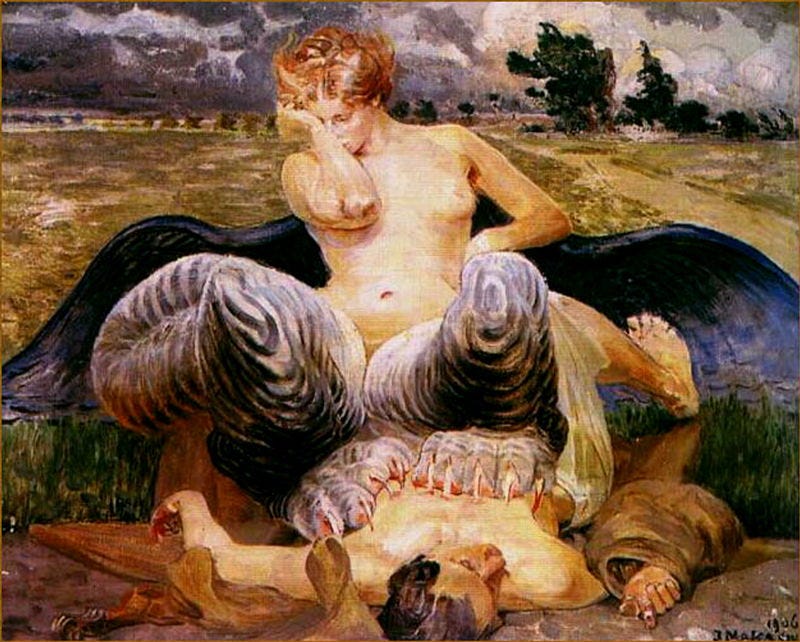
What's Driving This
Something is driving this renewed explosion of romance reading. And it isn’t BookTok.
It’s the perfect storm of our collective threshold times. The Epstein files and the trafficking of young girls. CNN’s months-long investigation exposing online groups where men share techniques for drugging and sexually assaulting their own partners — what reporters called a global “online rape academy.”⁷ The rise of trad wives and purity culture’s push to reduce women’s sovereignty, even as citizens. The world continues to demonstrate, in no uncertain terms, that women’s desire is considered dangerous and must be controlled.
And yet in the middle of all this, women are reading and sharing stories that reveal other possibilities of relating. Millions of them. Every night.
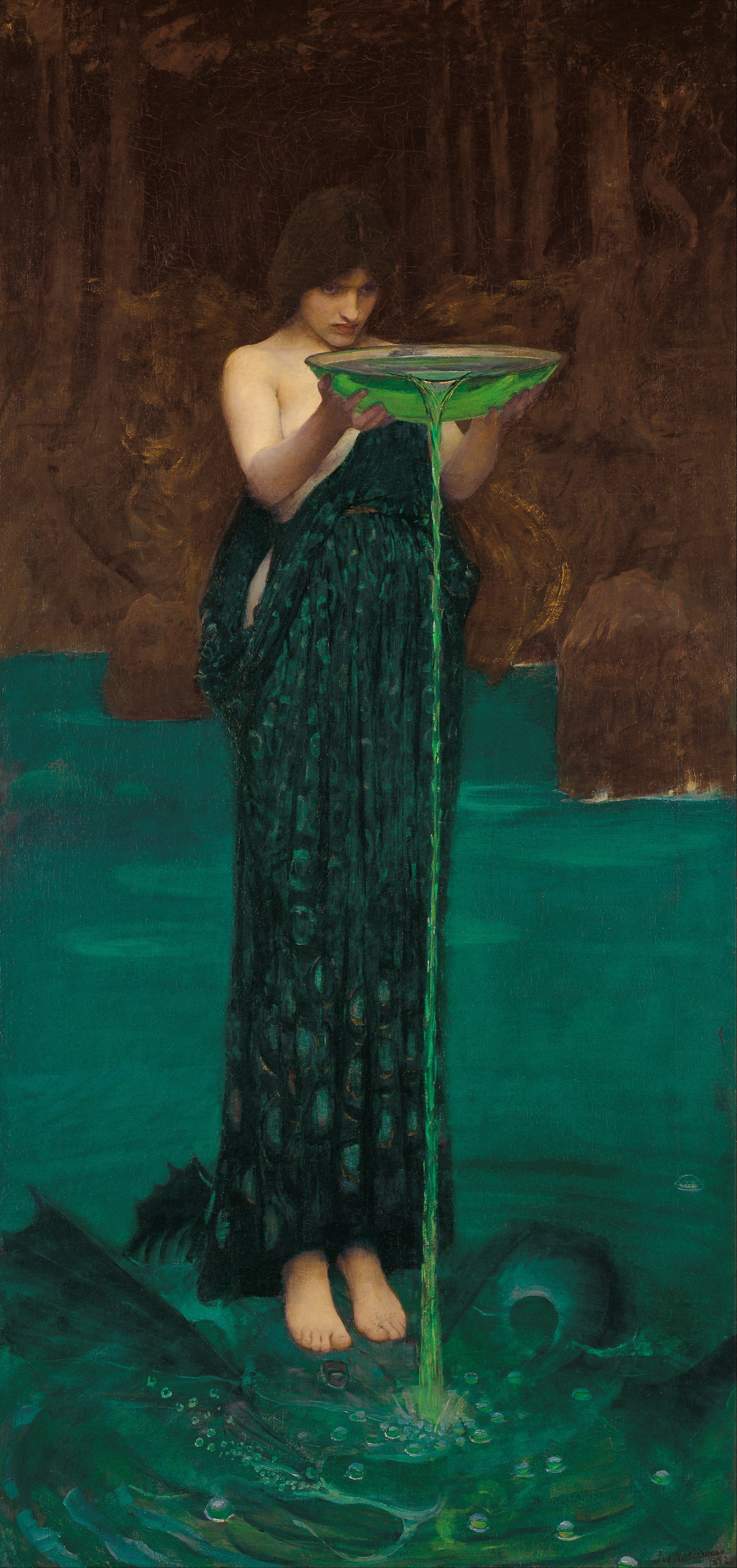
Romance authors — consciously or not — are metabolizing all of it. On a certain level, I feel they’re channeling a collective hunger that they’re able to translate onto the page. They aren’t protesting the current world in op-eds or marching with signs. They’re doing something more than radical — something akin to spellcasting: they’re writing other possibilities into existence. Every story where a woman meets someone who can hold her full power without flinching. Every world where desire and safety coexist without contradiction. Every narrative where the monstrous is met with curiosity rather than fear, where desire, love, and belonging coexist unconditionally — these are examples of the healing medicine in these stories.
These aren’t fantasies in the dismissive sense. They’re acts of imagination so potent that women’s bodies respond to them in somatic ways — hearts racing, breath catching — allowing something to loosen in the chest that was locked tight. While our culture is on its rampage of breaking things apart, romance takes the broken pieces in, digests them, and builds something new from the inside.
That’s not mere escapism and “just entertainment.”
That’s transformation happening under the radar, metabolized through the very thing that’s been dismissed as mere fluff.
What They're Rehearsing
When millions of women across the world reach for the same kind of story at the same time, that’s not a market trend. That’s a collective act.
They’re rehearsing something.
Alchemy has a name for it: the coniunctio — the union of what’s been split. Not just romantic union between two people, though it starts there. It’s something larger, where the healing of our collective psyche takes place. Because what we call “civilization” is in many ways the great severing. The severing of desire from safety. Feminine from masculine. Body from meaning.
I see romance guaranteeing something on the last page that the culture calls naive: union. Wholeness.
The happily ever after that gets dismissed as childish, sentimental, unrealistic — because taking it seriously would mean reckoning with why a paperback novel can deliver what the entire apparatus of our modern life refuses to or cannot do.
While the majority of readers can’t name how they feel for a few hours or days after reading a book — as feeling whole — their bodies know. Underneath the critical lens of our intellectual minds that love to pull apart, something is being practiced, below the level of conscious thought, one book at a time. Something the mind hasn’t caught up with yet but the nervous system already trusts: the power of seeing, and feeling, stories of alchemical transformation and union take place.
If you’re here and reading this, I’m sure something in your own reading life brought you. Maybe you were given romance by someone who loved you. Maybe you found it during your own hard passage. Maybe you’ve been reading for years and never had language for why it matters as much as it does.
Either way — you’re not imagining it. Something real is happening in these stories. Something the culture can’t quite yet see.
And over the next few weeks, I’m going to explore what.
If something in this essay made you lean forward, Forbidden Doors might be for you.
It’s a six-week intensive where we go underneath the reading — exploring what your books, your tropes, and your hunger already know about who you’re becoming. A small circle of women. Saturday mornings. Five doors culture taught you to close: body, rage, pleasure, instinct, sovereignty. Six weeks to open them together.
We begin May 16.
Footnotes:
¹ Booketic.com, “Romance Novel Sales Statistics,” February 2026. https://booketic.com/romance-novel-sales-statistics/
² Ibid.
³ Industry estimate widely cited in trade reporting, covering May 2022–May 2023 revenue. Cited in Booketic.com, ibid.
⁴ Kindlepreneur, “Category Data on Kindle Unlimited and Large Publishers,” 2025. Romance leads all categories for KU enrollment, with approximately 80% of top-performing romance titles in the program. https://kindlepreneur.com/category-data-on-kindle-unlimited/ See also Romancing the Data’s monthly Kindle Store analysis confirming ~75% of top 100 romance bestsellers are KU-enrolled: https://blog.romancingthedata.com/p/amazon-kindle-store-romance-best-sellers-july-2025
⁵ Ruth Maclean and Ismail Auwal, “The Hit Erotica Writers Outwitting Nigeria’s Religious Censors,” The New York Times, April 9, 2026. https://www.nytimes.com/2026/04/09/world/africa/nigeria-erotica-writers-censors.html
⁶ NielsenIQ Books & Consumers Survey, UK data spanning 2012–2024. Women account for 59% of all book purchases and 65% of ebook purchases. https://nielseniq.com/global/en/insights/commentary/2025/one-in-a-million-how-books-consumers-data-shapes-up/
⁷ Saskya Vandoorne, Kara Fox, and Niamh Kennedy, “Exposing a Global ‘Online Rape Academy,’” CNN As Equals investigation, March 2026. https://www.cnn.com/interactive/2026/03/world/expose-rape-assault-online-vis-intl/index.html Note: social media claims that 62 million men participated in the specific group were inaccurate; that figure represented total visits to the broader website. The Telegram group itself had nearly 1,000 users. Snopes fact-check: https://www.snopes.com/fact-check/cnn-online-rape-academy/